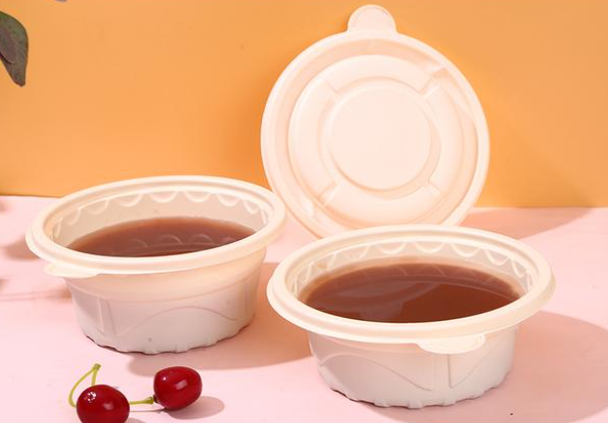
With the development of the plastic blister industry, the application field of blister is becoming more and more extensive. From the beginning of sheet Blister to the present thick plate blister that can replace the injection molding machine products, from the simple blister food tray and electronic tray to the current logistics blister turnover tray, hardware tool car, cooling water tower piece, bathtub, and blister parts that ride inward, from the original blister packaging products to becoming a part of product blister, It can be said that plastic blisters are everywhere in our life now
Introduce the application of blister in various industries:
Blister automobile industry:
Automobile interior trim, motorcycle trim, electric scooter shell, automobile engine cover, logistics turnover tray, tool car shell
Blister in food, medical and household appliance industries:
Blister food tray (egg tray, snack box, cup cover, food preservation tray, etc.), blister outer packaging of cosmetics, blister of refrigerator liner, bathtub, electronic tray, door panel, medical appliances, lamps, etc
The types of molds are usually classified according to the processing objects and processes. From the perspective of industry, they mainly include plastic molds, rubber molds, metal cold stamping molds, metal cold extrusion molds and hot extrusion molds, metal drawing molds, powder metallurgy molds, metal die-casting molds, metal precision casting molds, glass molds, FRP molds, etc.
The following is only about how to classify and introduce the different types of molds used in the molding and processing of the most common imported plastic products.
The most common molding methods of plastics are generally divided into two categories: melt molding and solid-state molding: melt molding is a way to heat plastics above the melting point and make them in the molten state for molding processing. The molding processes belonging to this molding method mainly include injection molding, compression molding (shrinkage) molding, extrusion molding, etc; Solid state molding refers to a kind of molding method in which plastics remain solid below the melting temperature, such as vacuum molding, compressed air molding and blow molding in the production of some plastic packaging containers. In addition, there are liquid forming methods, such as casting, lining and dipping.
According to the above different molding methods, the types of plastic processing molds corresponding to different process requirements can be divided, mainly including injection molding molds, extrusion molding molds, compression molding molds, blow molding molds, Blister molding molds, high foaming polystyrene molding molds, etc.
Plastic injection mold
It is mainly a kind of molding mold that is most widely used in the production of thermoplastic products. The processing equipment corresponding to the plastic injection molding mold is the plastic injection molding machine. The plastic is first heated and melted in the heating cylinder at the bottom of the injection machine, and then pushed by the screw or plunger of the injection machine, it enters the mold cavity through the nozzle of the injection machine and the pouring system of the mold. The plastic is cooled, hardened and molded, and demoulded to obtain products. Its structure is usually composed of forming parts, pouring system, guiding parts, pushing mechanism, temperature regulating system, exhaust system, support parts, etc. Plastic die steel module is usually used as the manufacturing material, and the commonly used materials are carbon structural steel, carbon tool steel, alloy tool steel, high-speed steel, etc. The injection molding processing method is usually only applicable to the production of thermoplastic products. The plastic products produced by the injection molding process are very extensive. From daily necessities to various complex machinery, electrical appliances, vehicle parts, etc., they are molded by injection mold. It is the most widely used processing method in the production of plastic products.
Plastic compression mold
Including compression molding and injection molding. They are a kind of moulds mainly used to form thermosetting plastics, and their corresponding equipment is a pressure forming machine. The compression molding method is to heat the mold to the molding temperature (generally 103 ℃ -180 ℃) according to the plastic characteristics, and then put the measured compression molding powder into the mold cavity and feeding room to close the mold. The plastic is softened and viscous flow under the action of high heat and high pressure. After a certain period of time, it is solidified to form the desired product shape. The difference between pressure injection molding and compression molding is that there is a separate feeding room. Before molding, the mold is closed first, and the plastic is preheated in the feeding room in a viscous flow state. Under the action of pressure, it is squeezed into the mold cavity at high speed and hardened. Compression molds are also used to form some special thermoplastics, such as rough thermoplastics (such as polytetrafluoroethylene) that are difficult to melt (cold press molding), resin lenses with high optical properties, slightly foamed nitrocellulose automobile steering wheel, etc. The compression mold is mainly composed of cavity, feeding cavity, guiding mechanism, pushing parts, heating system, etc. Injection mold is widely used to package electrical components. The material used in the manufacture of compression moulds is basically the same as that of injection moulds.
Plastic extrusion die
It is a kind of mold used to produce plastic products with continuous shape, also known as extrusion molding machine head. It is widely used in the processing of pipe, bar, monofilament, plate, film, wire and cable coating, profile, etc. The corresponding production equipment is the plastic extruder. Its principle is that the solid plastic is melted and plasticized under the conditions of heating and rotating pressure of the screw of the extruder, and the continuous plastic products with the same cross-section and die shape are made through the die with a specific shape. Its manufacturing materials mainly include carbon structural steel, alloy tool steel, etc. Some extrusion dies are also inlaid with diamond and other wear-resistant materials on the parts that need wear-resistant. Extrusion process is usually only applicable to the production of thermoplastic products, which is obviously different from injection mold and compression mold in structure.
Plastic blow mold
It is a kind of mold used to form plastic container hollow products (such as beverage bottles, daily chemical products and other packaging containers). According to the process principle, blow molding forms mainly include extrusion blow molding, injection blow molding, injection extension blow molding (commonly known as "injection pull blowing"), multi-layer blow molding, sheet blow molding, etc. The equipment corresponding to blow molding of hollow products is usually called plastic blow molding machine. Blow molding is only applicable to the production of thermoplastic products. The structure of blow mold is relatively simple, and the materials used are mostly made of carbon steel.
Plastic suction mold
It is a kind of mold that uses plastic plates and sheets as raw materials to form some relatively simple plastic products. Its principle is to use the vacuum forming method or compressed air forming method to make the plastic plates and sheets fixed on the concave mold or punch deform under the condition of heating and softening and stick them on the cavity of the mold to obtain the required molded products. It is mainly used in the production of some daily necessities, food and toy packaging products. The blister mold is made of cast aluminum or non-metallic materials due to its low pressure during forming, and its structure is relatively simple.
High foaming polystyrene molding mold
It is a kind of mold that uses expandable polystyrene (bead shaped particles composed of polystyrene and foaming agent) raw materials to form foamed plastic packaging materials of various required shapes. The principle is that the expandable polystyrene is molded by steam in the mold, including simple manual mold and hydraulic straight through foam mold, which are mainly used to produce packaging products for industrial products. The materials used to make this kind of mold are cast aluminum, stainless steel, bronze, etc.
Introduce the application of blister in various industries:
Blister automobile industry:
Automobile interior trim, motorcycle trim, electric scooter shell, automobile engine cover, logistics turnover tray, tool car shell
Blister in food, medical and household appliance industries:
Blister food tray (egg tray, snack box, cup cover, food preservation tray, etc.), blister outer packaging of cosmetics, blister of refrigerator liner, bathtub, electronic tray, door panel, medical appliances, lamps, etc
The types of molds are usually classified according to the processing objects and processes. From the perspective of industry, they mainly include plastic molds, rubber molds, metal cold stamping molds, metal cold extrusion molds and hot extrusion molds, metal drawing molds, powder metallurgy molds, metal die-casting molds, metal precision casting molds, glass molds, FRP molds, etc.
The following is only about how to classify and introduce the different types of molds used in the molding and processing of the most common imported plastic products.
The most common molding methods of plastics are generally divided into two categories: melt molding and solid-state molding: melt molding is a way to heat plastics above the melting point and make them in the molten state for molding processing. The molding processes belonging to this molding method mainly include injection molding, compression molding (shrinkage) molding, extrusion molding, etc; Solid state molding refers to a kind of molding method in which plastics remain solid below the melting temperature, such as vacuum molding, compressed air molding and blow molding in the production of some plastic packaging containers. In addition, there are liquid forming methods, such as casting, lining and dipping.
According to the above different molding methods, the types of plastic processing molds corresponding to different process requirements can be divided, mainly including injection molding molds, extrusion molding molds, compression molding molds, blow molding molds, Blister molding molds, high foaming polystyrene molding molds, etc.
Plastic injection mold
It is mainly a kind of molding mold that is most widely used in the production of thermoplastic products. The processing equipment corresponding to the plastic injection molding mold is the plastic injection molding machine. The plastic is first heated and melted in the heating cylinder at the bottom of the injection machine, and then pushed by the screw or plunger of the injection machine, it enters the mold cavity through the nozzle of the injection machine and the pouring system of the mold. The plastic is cooled, hardened and molded, and demoulded to obtain products. Its structure is usually composed of forming parts, pouring system, guiding parts, pushing mechanism, temperature regulating system, exhaust system, support parts, etc. Plastic die steel module is usually used as the manufacturing material, and the commonly used materials are carbon structural steel, carbon tool steel, alloy tool steel, high-speed steel, etc. The injection molding processing method is usually only applicable to the production of thermoplastic products. The plastic products produced by the injection molding process are very extensive. From daily necessities to various complex machinery, electrical appliances, vehicle parts, etc., they are molded by injection mold. It is the most widely used processing method in the production of plastic products.
Plastic compression mold
Including compression molding and injection molding. They are a kind of moulds mainly used to form thermosetting plastics, and their corresponding equipment is a pressure forming machine. The compression molding method is to heat the mold to the molding temperature (generally 103 ℃ -180 ℃) according to the plastic characteristics, and then put the measured compression molding powder into the mold cavity and feeding room to close the mold. The plastic is softened and viscous flow under the action of high heat and high pressure. After a certain period of time, it is solidified to form the desired product shape. The difference between pressure injection molding and compression molding is that there is a separate feeding room. Before molding, the mold is closed first, and the plastic is preheated in the feeding room in a viscous flow state. Under the action of pressure, it is squeezed into the mold cavity at high speed and hardened. Compression molds are also used to form some special thermoplastics, such as rough thermoplastics (such as polytetrafluoroethylene) that are difficult to melt (cold press molding), resin lenses with high optical properties, slightly foamed nitrocellulose automobile steering wheel, etc. The compression mold is mainly composed of cavity, feeding cavity, guiding mechanism, pushing parts, heating system, etc. Injection mold is widely used to package electrical components. The material used in the manufacture of compression moulds is basically the same as that of injection moulds.
Plastic extrusion die
It is a kind of mold used to produce plastic products with continuous shape, also known as extrusion molding machine head. It is widely used in the processing of pipe, bar, monofilament, plate, film, wire and cable coating, profile, etc. The corresponding production equipment is the plastic extruder. Its principle is that the solid plastic is melted and plasticized under the conditions of heating and rotating pressure of the screw of the extruder, and the continuous plastic products with the same cross-section and die shape are made through the die with a specific shape. Its manufacturing materials mainly include carbon structural steel, alloy tool steel, etc. Some extrusion dies are also inlaid with diamond and other wear-resistant materials on the parts that need wear-resistant. Extrusion process is usually only applicable to the production of thermoplastic products, which is obviously different from injection mold and compression mold in structure.
Plastic blow mold
It is a kind of mold used to form plastic container hollow products (such as beverage bottles, daily chemical products and other packaging containers). According to the process principle, blow molding forms mainly include extrusion blow molding, injection blow molding, injection extension blow molding (commonly known as "injection pull blowing"), multi-layer blow molding, sheet blow molding, etc. The equipment corresponding to blow molding of hollow products is usually called plastic blow molding machine. Blow molding is only applicable to the production of thermoplastic products. The structure of blow mold is relatively simple, and the materials used are mostly made of carbon steel.
Plastic suction mold
It is a kind of mold that uses plastic plates and sheets as raw materials to form some relatively simple plastic products. Its principle is to use the vacuum forming method or compressed air forming method to make the plastic plates and sheets fixed on the concave mold or punch deform under the condition of heating and softening and stick them on the cavity of the mold to obtain the required molded products. It is mainly used in the production of some daily necessities, food and toy packaging products. The blister mold is made of cast aluminum or non-metallic materials due to its low pressure during forming, and its structure is relatively simple.
High foaming polystyrene molding mold
It is a kind of mold that uses expandable polystyrene (bead shaped particles composed of polystyrene and foaming agent) raw materials to form foamed plastic packaging materials of various required shapes. The principle is that the expandable polystyrene is molded by steam in the mold, including simple manual mold and hydraulic straight through foam mold, which are mainly used to produce packaging products for industrial products. The materials used to make this kind of mold are cast aluminum, stainless steel, bronze, etc.